
By Julia de Schultz, October 7, 2025
Quotes have always been little anchors in my life. They remind me of things I tend to forget, small truths that slip away in the rush of everyday living. A quote can stop me mid-scroll, make me pause, take a breath, and see things differently. It can shift my perspective, give me comfort, or offer the exact spark of courage I didn’t know I needed. To me, quotes are like tiny truth nuggets, concentrated pieces of wisdom, beautifully worded, that have the power to uplift and change the way we see the world.
But what exactly makes a quote powerful? Why do some sentences “click” instantly while others barely land? And why do people frame them, carry them in their wallets, or even tattoo them on their skin? Let’s dive into the psychology of resonance, the mysterious way words take root in our minds and hearts.
Humans have always been drawn to words. Long before social media, people scribbled lines in notebooks, carved phrases into stone, or passed sayings down through generations. At their core, quotes are reminders. They condense something vast, an experience, a philosophy, a life lesson, into a handful of words, and they are everywhere.
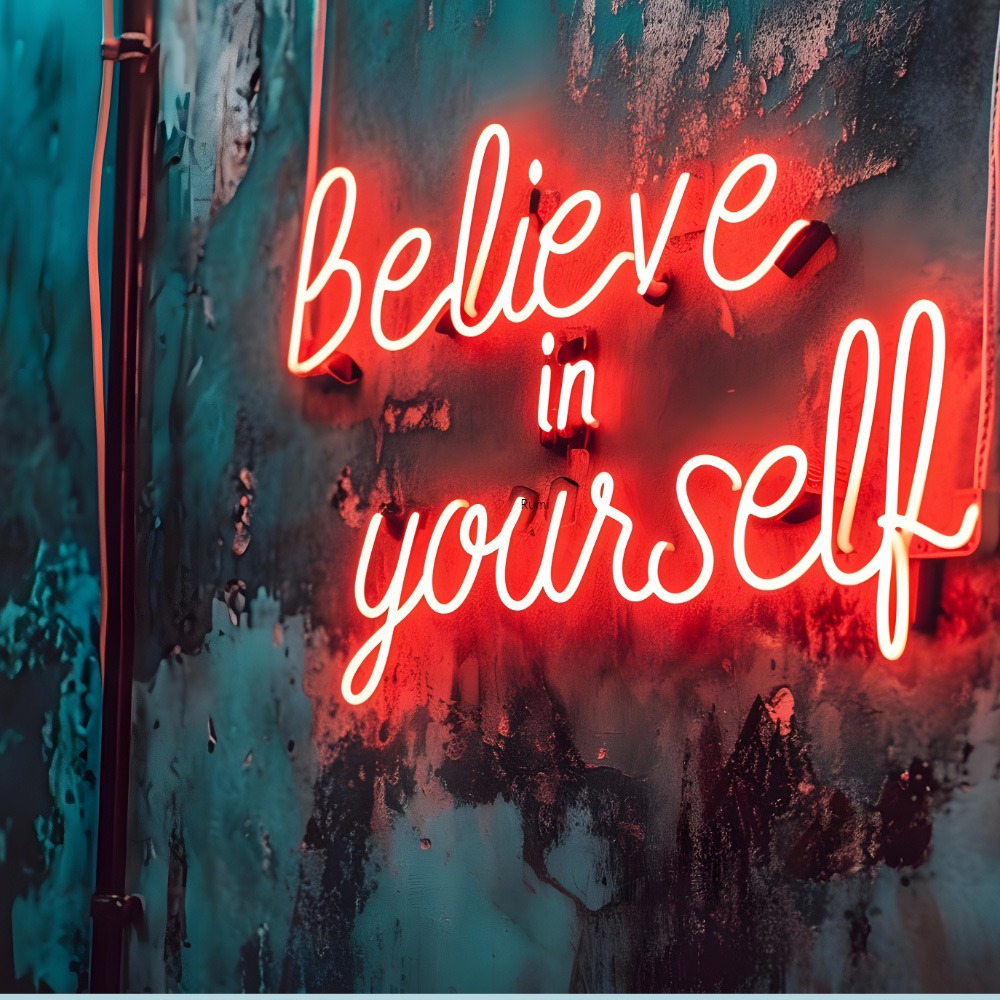
In a world where information is endless and overwhelming, a quote feels like clarity. It distils chaos into something simple and memorable. Our brains are wired to respond to patterns, rhythm, and emotional cues in language, and a good quote often combines all three. That’s why the right phrase can echo in your mind long after you’ve read it.
As Aristotle once said, “Knowing yourself is the beginning of all wisdom.” Timeless words like this show us that the hunger for quotes isn’t new; it’s part of what it means to be human.
So, what makes a quote powerful? Here are some key elements that research and experience suggest:
A powerful quote often says something we already know, deep down, but in a way that feels obvious once we hear it. Simplicity makes it memorable. Think of it like a mental shortcut: a few words that carry a whole universe of meaning. As Anaïs Nin put it:
“We don’t see things as they are. We see them as we are.”
Quotes that stick with us usually touch on universal emotions: love, loss, hope, fear, and growth. They tap into feelings we’ve all known, even if our stories are different. This emotional resonance makes them feel personal, even when they’re shared by millions.
Jon Kabat-Zinn captured this beautifully: “You can’t stop the waves, but you can learn to surf.”

Sometimes a quote works because it surprises us. It flips an idea on its head or offers a perspective we’d never considered. This “aha!” moment makes it stick. Cognitive scientists call it a “schema violation”; our brain perks up when something doesn’t fit the pattern we expect. A great example is:
“Your body is the most honest reflection of your choices.”
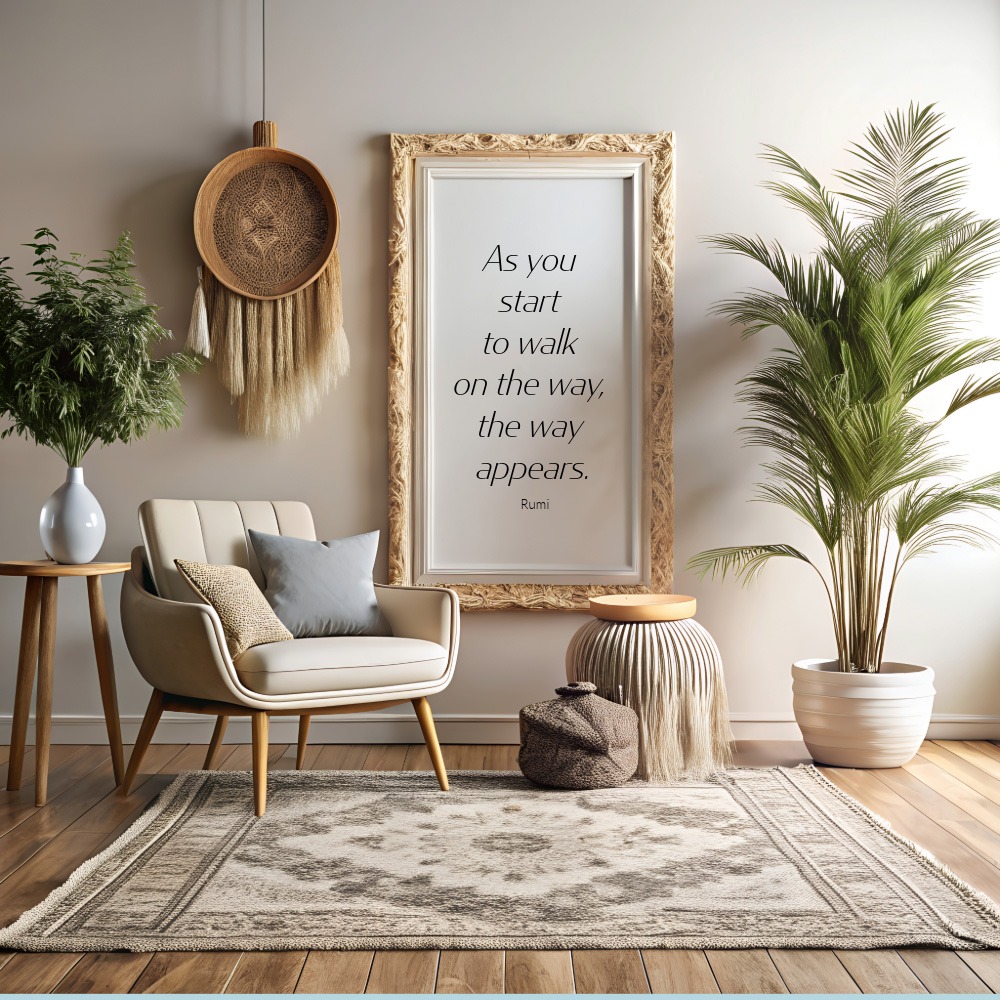
Great quotes often sound good when spoken aloud. They have rhythm, balance, and even poetry. That’s why lines like this one below linger; they’re not only wise, but they flow off the tongue in a pleasing way:
Rumi said, “As you start to walk on the way, the way appears.”
A quote may not mean much to you today, but in the right moment, it can hit with full force. When you’re struggling, a quote about resilience feels like a lifeline. When you’re starting something new, a quote about courage becomes a mantra. Timing is everything.
“Move like everything is gonna work out. Because it is.”
Think about how people treat quotes. They frame them on their walls, print them on T-shirts, share them endlessly on Instagram. Why? Because quotes are more than words, they’re identity statements.
When we display a quote, we’re not just sharing wisdom; we’re revealing something about ourselves. A framed quote in your living room is like a silent companion, reminding you (and everyone who visits) what you value. Sharing a quote online is a way of saying, “This speaks for me. This is who I am.”
Psychologists talk about self-affirmation: the idea that we’re drawn to things that reflect and reinforce our sense of self. Quotes act like mirrors. When we find one that resonates, it feels like someone put our unspoken thoughts into words.
One of the things I love most about quotes is their power to shift perspective. Life can feel heavy, repetitive, or overwhelming, but a single sentence can zoom you out, offer relief, and remind you of the bigger picture.
For me, one of those quotes is: “Everything is possible to the extent that you are certain.”

Every time I read it, I’m reminded that for anything to unfold the way I hope, I first have to believe it can. It makes me take responsibility. It gives me courage. Quotes work like mental pivots. They don’t solve everything, but they can change how you show up in a moment. And often, that shift is enough to make all the difference.
There’s another reason quotes stick: they’re designed to be remembered. Cognitive psychology tells us that our brains latch onto things that are short, structured, and repeatable. That’s why proverbs and mantras have lasted through centuries.
Repetition plays a big role, too. The more we see or say a quote, the deeper it etches into our memory. That’s why people choose to hang them on their walls or carry them in journals; it keeps the words alive, transforming them into a daily practice.
In my own life, I’ve found that quotes are like little companions for growth. They sit quietly in the background but speak up when you need them most. They remind you to pause, to breathe, to see differently. They can feel like encouragement from a wise friend, a nudge from your future self, or even a whisper from something bigger.
Sometimes, they feel like permission. Permission to rest. To try. To hope. To let go.
And in that way, quotes aren’t just words. They’re tools. They’re part of how we navigate life.
At Ray of Light Prints, most of my work to date has been large-scale designs featuring science, the human body, or the universe, prints that combine knowledge and beauty. But in the future, I’d love to create a collection made entirely of quotes.
Why? Because quotes are, in a way, the most distilled form of wisdom. They’re compact, portable, and endlessly inspiring. A single print could hold one line that becomes your daily anchor, something you return to again and again.
I imagine walls lined with these quote prints, each one offering a different doorway into reflection: one for courage, one for peace, one for curiosity, one for love. They would be more than decoration, they’d be daily reminders of who you want to be and how you want to live.
So, what makes a quote truly powerful? It’s not just the words themselves, but the way they resonate with our emotions, our timing, our identities, and our need for meaning. A powerful quote feels like it was written just for you, even though it may have been written centuries ago.
As I think about the future of Ray of Light Prints, I see quotes becoming an even bigger part of it. I want to create designs that don’t just teach or inform, but also comfort, inspire, and shift perspective in the simplest, most direct way.
Because sometimes, all it takes is a single sentence.
If you have favourite quotes, keep them close. Write them down. Frame them. Share them. Let them remind you of the truths you already carry inside.
And remember: the most powerful quotes are the ones that don’t just sound good, they feel good. They resonate. They make you pause, reflect, and maybe even change direction.
In a world that moves fast, a powerful quote is like a pause button for the soul. And sometimes, that’s exactly what we need.
“Everything is first an idea.”
If you love quotes, I often share ones that resonate with me on Instagram @rayoflightprints.