By Julia de Schultz November 18, 2025 ~ 7 min read

There’s a moment when you come across a new idea, and instead of surprise, you feel recognition.
It’s not “I never knew this.” It’s “Of course. I’ve always known this.”
It’s the gentle click of truth falling into place. Something deep in your body exhales. The mind quiets. The soul nods.
We often describe learning as adding more facts, more knowledge, more information. But some of the most profound moments of insight don’t feel like adding at all. They feel like remembering.
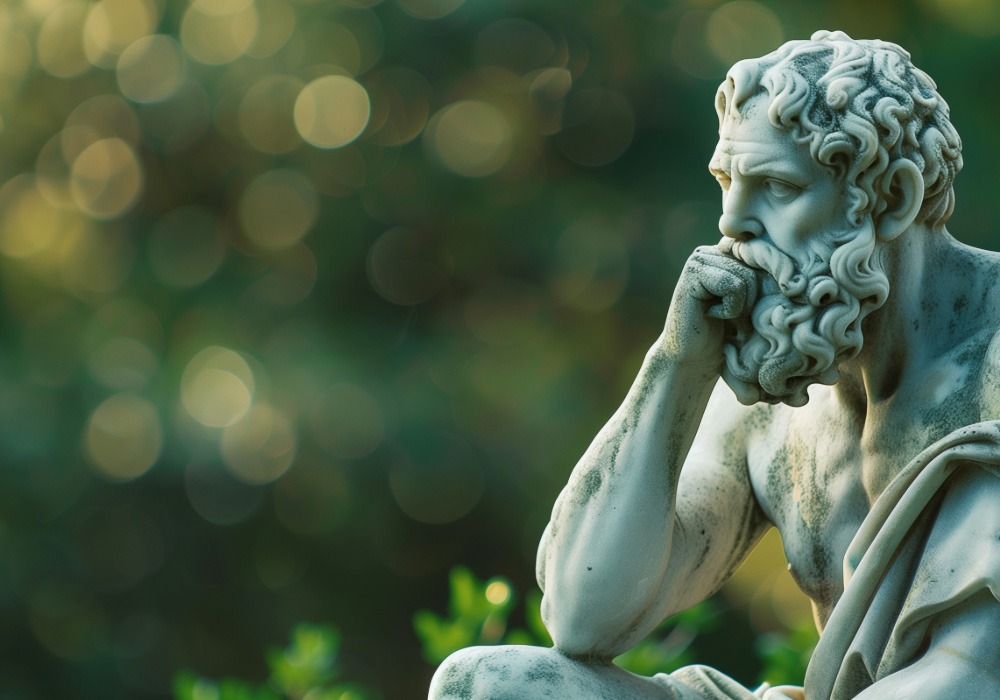
Plato called this anamnesis — the act of recollection. He believed the soul already carries within it all eternal truths, and that what we call “learning” is simply the process of remembering them. The teacher doesn’t fill us with knowledge; they help us uncover what’s already there.
And perhaps you’ve felt that, too. When you look at the stars and sense something familiar. When a line of poetry touches a part of you that words can’t reach. When art feels less like discovery and more like recognition, as if it’s whispering, “You knew this all along.”
That’s the heart of this ancient idea: that truth is not distant, but dormant. Waiting to be seen, not learned.
At Ray of Light Prints, that’s what we strive to create — reminders. Quiet awakenings. Visual echoes of what your soul already knows.
In ancient Athens, Plato’s teacher Socrates walked barefoot through the streets, asking questions that made people deeply uncomfortable.
He didn’t give answers. He didn’t claim to teach. He simply asked until his students began to uncover what they already knew.
In his dialogue Meno, (Stanford Encyclopedia of Philosophy) Plato describes a young slave boy with no education being guided through a series of questions about geometry. By the end, the boy “remembers” truths of mathematics he had never been taught.
To Plato, this proved something revolutionary: that the human mind doesn’t create truth, it recalls it. Knowledge is not a product of experience but a reflection of eternal forms, perfect ideas that exist beyond time, and which our souls once knew before being born into the world.
Whether you believe that literally or metaphorically, the principle is beautiful; it says that wisdom is not a prize to be earned, but a presence to be uncovered. And even today, the idea rings true. Real learning rarely feels forced. It feels like recognition, like remembering the melody of a song you haven’t heard in years.
If Plato had lived in our time, he might have smiled at what neuroscience now reveals.
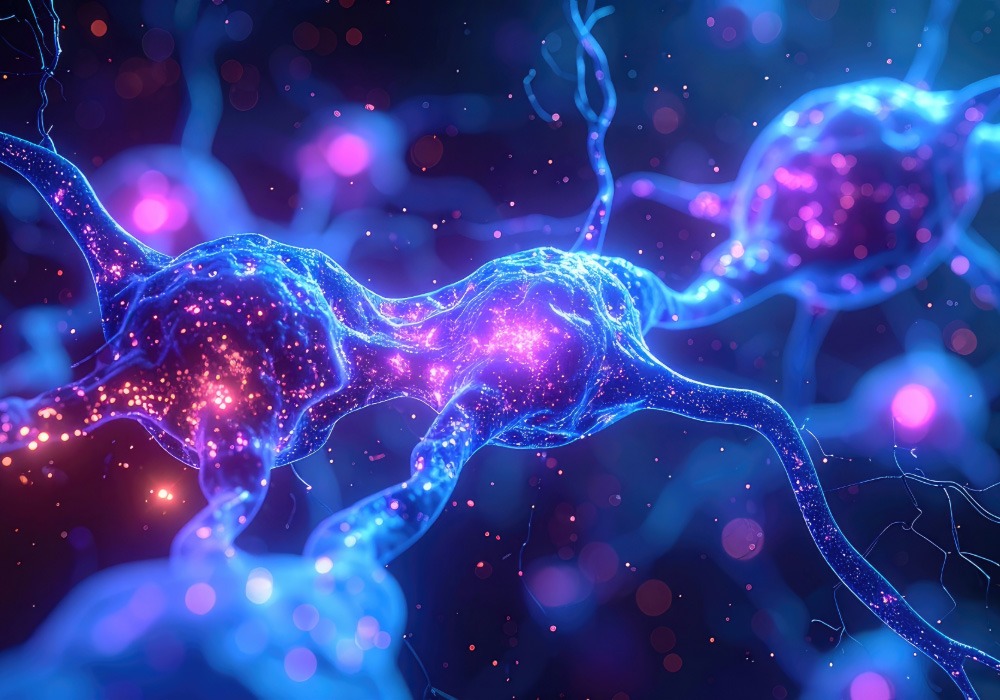
Modern research shows that the brain doesn’t store facts like a filing cabinet. it builds networks of meaning. Every time we learn something new, it links to something we already know. Understanding happens not through accumulation but through connection.
That “aha” moment, the sudden click when something makes sense, is literally the sound of neurons firing together, creating a bridge between two islands of memory. The feeling of recognition is not poetic imagination; it’s biology.
Even creativity follows this pattern. Inventors often describe their breakthroughs as discoveries rather than creations. Newton said he merely “found” gravity. Einstein said he “saw” relativity. Michelangelo described his sculptures as already existing within the marble; he simply removed what wasn’t part of them.
They were all remembering, from past lives, not past lives, perhaps, but from the universal patterns woven into everything.
Psychologist Carl Jung called these patterns archetypes — symbols, myths, and motifs that reappear in every culture (Encyclopaedia Britannica). He believed they emerge from a collective unconscious, a deep well of shared wisdom that connects all human beings.
So whether through neurons or myth, through art or intuition, the pattern holds: truth is not invented. It’s revealed.
Art, at its best, is a key that unlocks remembrance.
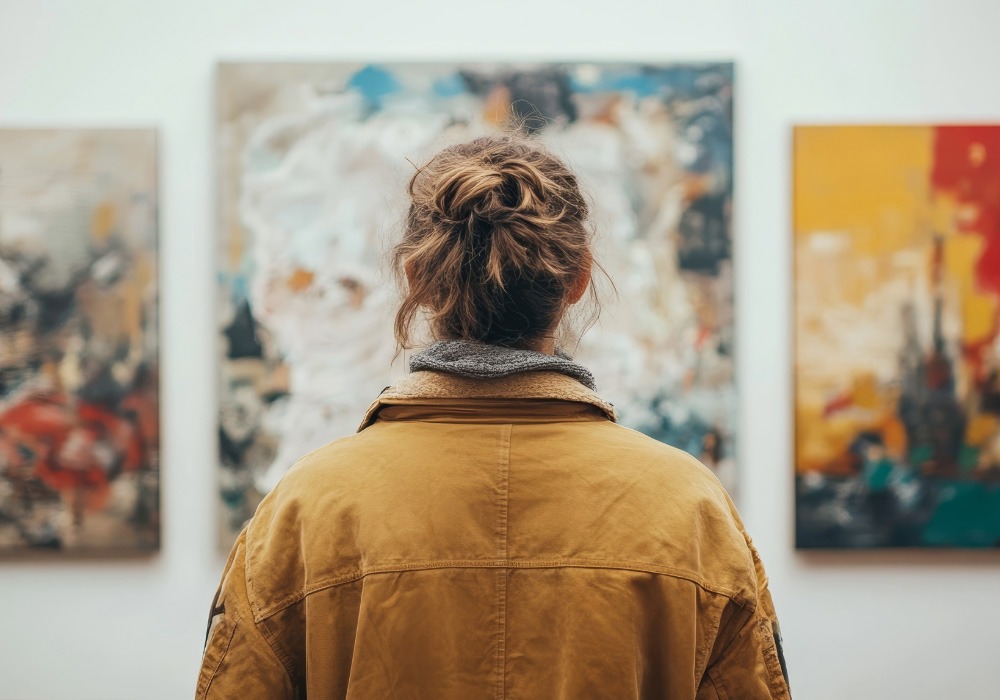
It bypasses logic and speaks directly to that silent place where words fall short, the place where recognition lives.
When you stand before a piece of art that stirs something you can’t explain, that’s remembering. You’re not just seeing colours and shapes; you’re feeling a truth resonate through you, a mirror held up to something inside.
Curiosity works the same way. Every time you follow a question, you pull a thread that connects you back to wonder. Curiosity doesn’t always give answers, but it always brings you home, to awe, to humility, to the joy of being part of something bigger.
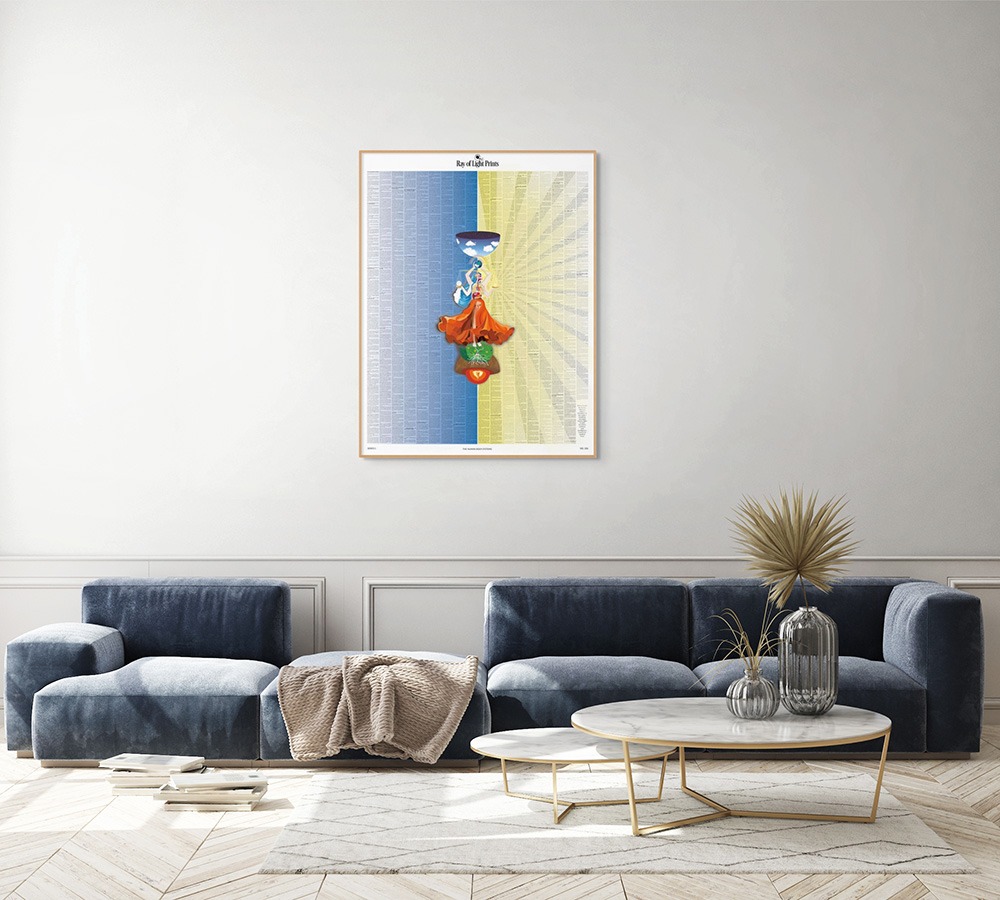
That’s why Ray of Light Prints exists: to invite that kind of remembering into your space. Each artwork — from The Elements of the World to The Human Body Systems — is built to remind you of your connection to the whole. The same elements that form your body form the stars. The same structures that organise your thoughts organise galaxies.
When art and curiosity meet, knowledge becomes alive. And in that aliveness, we remember.
Sometimes remembering is not mental at all — it’s physical.
Your body knows more than your conscious mind ever could.
It knows how to heal, how to grow, how to breathe. It keeps your heart beating 100,000 times a day without asking for attention. It maintains equilibrium, adapts, regenerates. You don’t have to tell it what to do — it remembers.
Every system in your body is a living echo of ancient intelligence.
The endocrine system, regulating hormones with precision that rivals cosmic timing.
The nervous system, carrying electrical messages faster than lightning.
The immune system, learning and adapting like a living library.
When you study biology closely, it starts to feel spiritual. It’s not just chemistry, it’s choreography. The kind of harmony that makes you bow your head in quiet awe.
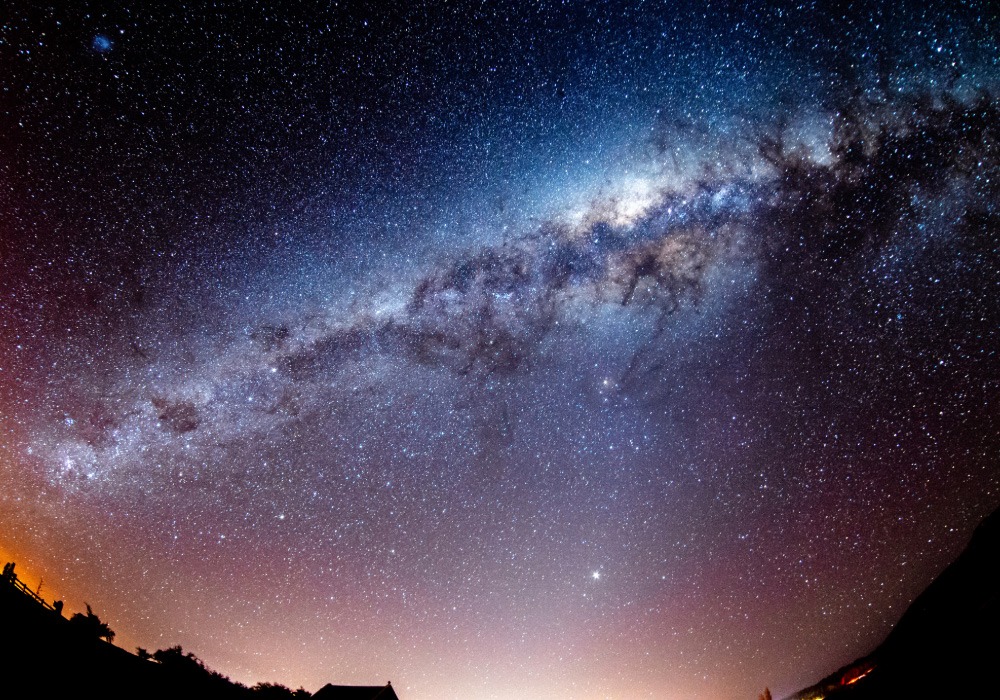
And then there’s the cosmos. The elements that make your blood red, iron, carbon, and oxygen, were forged in the hearts of ancient stars. When a star died, it scattered its body into space. Over billions of years, that dust became everything — the oceans, the trees, your lungs.
So when you breathe, you’re literally inhaling the memory of stars.
What could be more humbling — or more beautiful — than that?
Nature holds the same intelligence.
A forest doesn’t learn how to grow; it remembers the pattern.
A seed doesn’t decide how to become a tree; it simply follows what it already knows.
And maybe we’re not so different. Maybe our task as humans isn’t to master nature, but to remember our place within it.
On a human level, remembering takes courage.
We live in a culture obsessed with self-improvement — with becoming someone new, better, more successful. But real growth often feels like peeling layers away, not adding more. It’s not about becoming someone else; it’s about remembering who you were before the noise.
Think of a time when you rediscovered something that used to light you up — drawing, dancing, reading late into the night. The joy didn’t come from learning how again; it came from remembering that you loved it.
In that sense, personal growth is a process of returning — of coming home to yourself.
Healing is remembering your wholeness.
Wisdom is remembering your simplicity.
Love is remembering your connection to everything.
That’s why your surroundings matter. The things you see every day whisper to you. A wall covered in reminders of what inspires you becomes a compass, silently guiding you back when you forget.
Art that reflects knowledge and beauty — that’s what Ray of Light Prints stands for. Pieces that don’t shout, but whisper: “Remember.”
Remembering is a kind of stillness.
It asks you to slow down long enough to see what’s been there all along.
In a world that glorifies progress, remembering is radical. It’s a choice to pause, to listen inwardly, to trust that wisdom doesn’t only live in books or experts — it lives in you.
Every experience of awe is a doorway back to that remembering. A state scientists now study for its powerful effects on wellbeing (Greater Good Science Center, UC Berkeley)
A sunrise that quiets your mind.
A piece of music that makes your heart ache in a way you can’t explain.
A moment of clarity that arrives out of nowhere.
These are not random; they are signals. Reminders from the deeper intelligence you’re part of, the same intelligence that governs galaxies and grows grass through concrete.
So maybe learning isn’t climbing upward toward enlightenment. Maybe it’s sinking inward toward truth.
The ancients called it anamnesis.
Today, we might call it awakening.
Either way, it is the same quiet act: remembering what we already know.
And perhaps that’s all we’re ever really doing — through art, through science, through living. Finding new ways to come home to ourselves.