
By Julia de Schultz, April 7, 2026
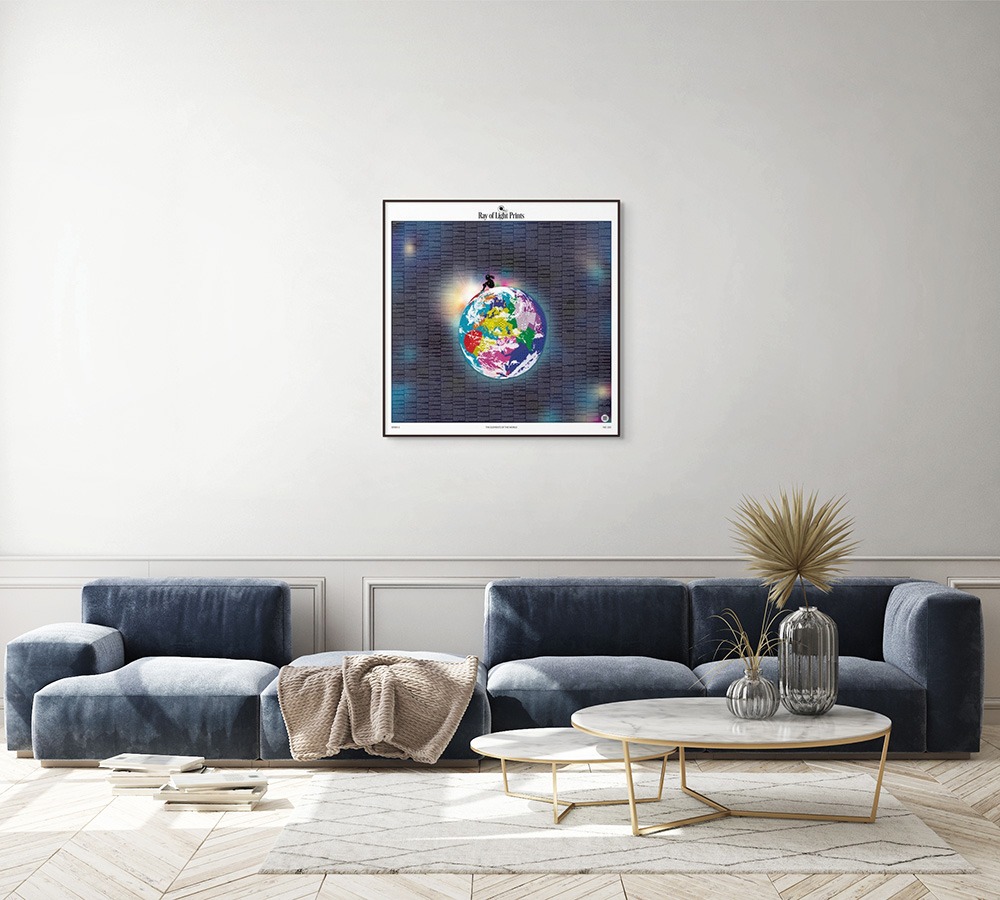
There is a reason some rooms look beautiful on paper and still feel strangely empty in real life.
The sofa is right.
The rug is right.
The lighting is soft.
The colour palette is tasteful.
Everything works. And yet something is missing.
You can walk into a room like that and admire it for a moment, but not feel drawn into it. It looks finished, but it does not feel alive. It may be stylish, but it does not stay with you. It has all the ingredients of a well-designed space, yet somehow lacks soul.
Very often, what is missing is not another object. It is not another vase, another tray, another cushion, or another decorative accessory. What is missing is a point of meaning. A focal point. Something with presence. Something that shifts the atmosphere rather than merely occupying space.
That is why learning how to choose wall art matters more than many people realise.
Wall art is often treated like the final step in a room. Something added at the end, once the practical decisions have been made. But in truth, art is not the finishing touch in the superficial sense. It is often the thing that turns a room from visually acceptable into emotionally resonant. It can change the mood of a space, the pace of a space, even the way you feel inside it.
The right piece does not just sit on the wall. It shapes the room around it.
We often speak about art as if it belongs in the category of decoration, and technically, of course, it does. But that word can be misleading. Decoration sounds optional. Decorative sounds pleasant but secondary. It suggests something added for beauty alone.
Art can be beautiful, yes, but its role in a room goes deeper than ornament.
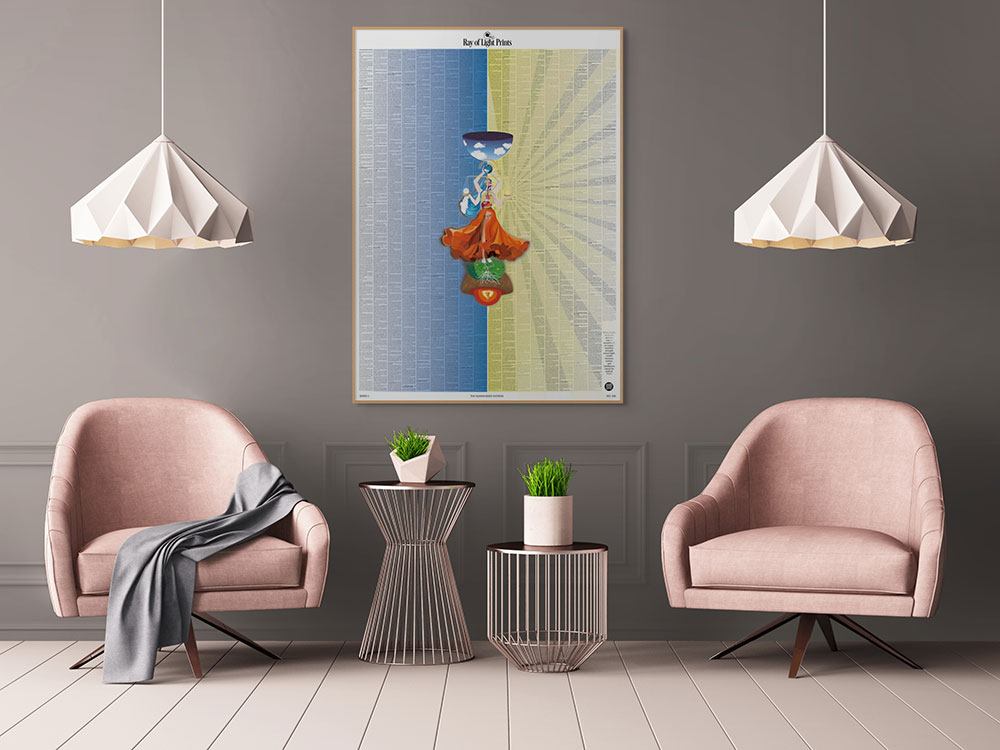
A strong piece of wall art can anchor a space. It can draw the eye, create rhythm, add depth, introduce stillness, or bring energy where there was none. It can soften a room that feels cold. It can sharpen a room that feels vague. It can create a sense of identity in a room that otherwise feels generic.
Most importantly, it can affect how a room feels to live in.
That matters because our homes are not passive containers. They are environments we move through every day. They affect our nervous systems, our attention, our mood, our sense of belonging. The things we repeatedly see are not neutral. They become part of the emotional texture of daily life.
This is why a blank wall rarely feels finished, and why the wrong art can feel oddly unsatisfying even when it “matches.” It may coordinate with the room, but coordination alone is not the same as connection.
When you choose wall art well, you are not just choosing something to look at. You are choosing something that participates in the atmosphere of your life.
When people think about how to choose wall art, they often start with colours. Does it match the sofa? Will it go with the curtains? Will it clash with the cushions? These are understandable questions, but they are not the best place to begin.
A better question is this:
How do I want this room to feel?
That one question changes everything.
Do you want the room to feel calm? Grounded? Expansive? Reflective? Warm? Intelligent? Uplifting? Quietly powerful? More alive? More personal? More thoughtful?
When you start there, art becomes more than a matching exercise. It becomes part of the emotional architecture of the room.
A bedroom may call for something restful but not dull.
A home office may need something that sharpens thought or expands perspective.
A hallway may benefit from something that creates pause and intrigue in a place people usually rush through.
A dining area may come alive with art that sparks conversation or curiosity.
If you choose a piece simply because it fits the palette, you may end up with something harmonious but forgettable. It blends in. It behaves. It fills the space politely. But it does not change the room.
The pieces that truly transform a room tend to do more than match. They bring a feeling into focus.
Colour still matters, of course. So does tone, composition, and the overall visual language of the piece. But these things work best when they support the emotional effect you want, rather than replacing it.
A room should not only look pulled together. It should feel like something.
There is nothing wrong with art that is immediately attractive. Beauty matters. Instant visual pleasure matters. But the pieces that stay with us tend to offer more than a quick first impression.
They have layers.
Sometimes that depth comes from symbolism. Sometimes from detail. Sometimes from the ideas behind the piece. Sometimes from the sense that there is more there than first meets the eye. You notice something new after a week. Then again after a month. The piece keeps unfolding slightly, rather than giving up everything at once.
This is one of the great differences between art that simply fills a wall and art that becomes part of a life.
Some pieces are consumed in seconds. They are decorative in the most fleeting sense. They look nice, and then they are mentally filed away. They stop speaking almost as soon as they are hung.
Other pieces continue to offer something back. They invite a second glance. They hold attention a little longer. They meet you differently depending on your mood, your season of life, or the angle from which you see them.
That kind of depth matters in the home because home is repetition. You do not encounter your wall art once in a gallery and move on. You live with it. You pass it on tired mornings, busy afternoons, distracted evenings. You catch it in fragments while carrying laundry, answering messages, or making tea. The art that lives with you should be able to withstand repetition. Ideally, it should become richer through it.
That is one reason meaningful art can have such power in a room. It is not exhausted on day one.
Even beautiful art can disappear if the scale is wrong.
One of the most common reasons a room feels visually incomplete is that the art is too small for the wall or too timid for the furniture beneath it. A tiny piece floating above a large sofa often feels apologetic. It does not anchor the space. It does not create presence. It looks like it was chosen carefully, but without conviction.
On the other hand, art that is too large for a space can feel heavy or overwhelming, especially if the room is already visually busy.
The goal is not simply “big” or “small.” The goal is intentionality.
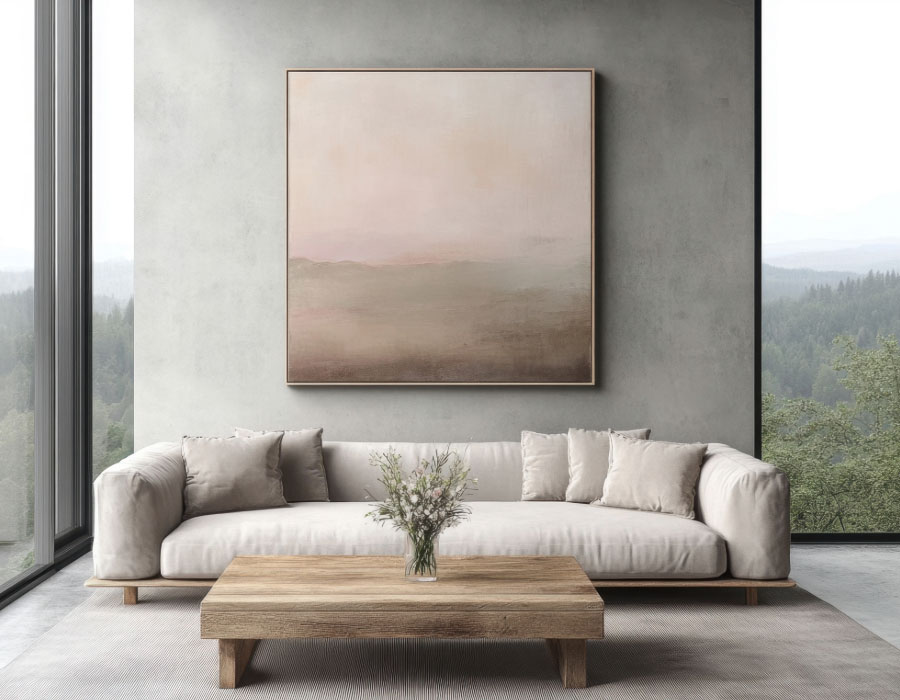
A well-scaled piece has enough presence to hold its own in the room. It relates to the wall, the furniture, and the proportions of the space in a way that feels deliberate. It can whisper, speak, or command attention, but it should do so clearly.
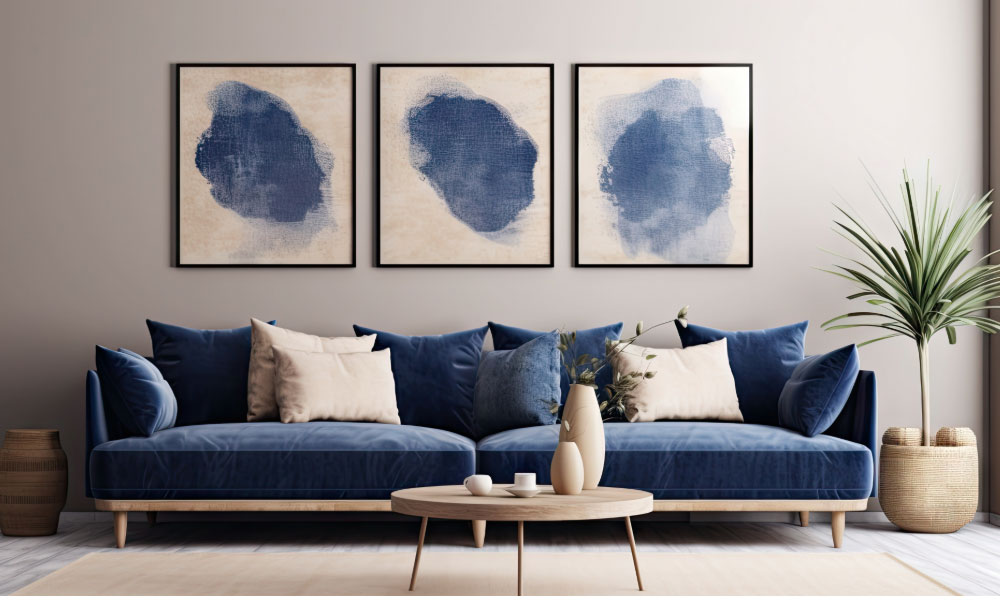
Scale influences not only balance, but emotion. A larger piece can create immersion. It can make a room feel more expansive, more confident, more complete. A thoughtfully grouped series can create rhythm and narrative. A smaller piece in the right intimate setting can feel jewel-like and quietly powerful.
The question is not only, “Does it fit?”
It is also, “Does it have enough presence to matter here?”
Where you place art determines how you live with it.
This is easy to underestimate. A wonderful piece in the wrong place can become background noise. A strong piece in the right place can become part of a daily ritual.
Art above a bed may be the first thing you see in the morning and the last thing you register at night. Art in a hallway can transform a passing space into a moment of pause. Art near a dining table can create conversation and atmosphere. Art in a workspace can influence the tone of your concentration. Art near a reading chair can deepen a sense of retreat.
The best placement is not always the most obvious wall. It is the place where the piece can enter your life most naturally.
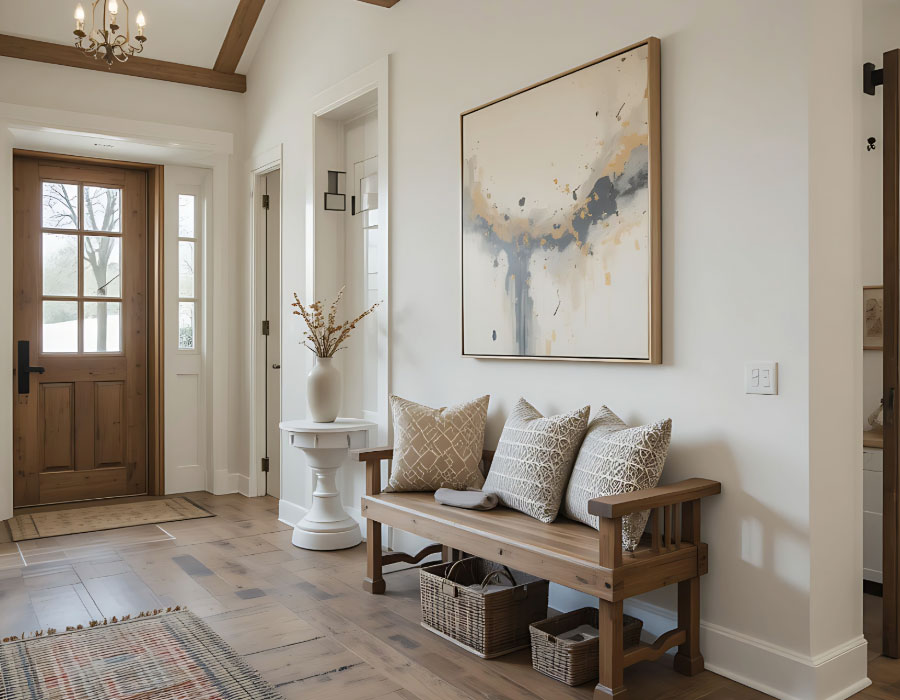
This matters because meaningful art often works slowly. It is not always about a dramatic first reaction. Sometimes its power lies in repetition. The same image, idea, or visual language meeting you again and again until it starts to feel woven into the room and, in some quiet way, into you.
When choosing wall art, think not only about where it will look good, but where it will be lived with.
Trends can be useful. They can open the door to new aesthetics, new materials, new ways of seeing a space. But a room built entirely from trends often feels strangely impersonal. It may look current, yet still feel borrowed.
The rooms people remember tend to have something more individual in them. Something that reflects the inner life of the people who live there.
That does not mean every piece has to be sentimental, autobiographical, or serious. It simply means that the strongest homes usually contain choices that feel connected to real values, real interests, real curiosities. A love of nature. A fascination with the body. A sense of wonder about the universe. A pull towards wisdom, beauty, growth, or perspective. A desire for calm. A respect for knowledge. A feeling for depth over noise.
These things create identity in a room far more effectively than buying whatever is currently fashionable.
Art is one of the clearest signals of what matters to us because it is so visible. It is not tucked into a drawer. It does not live inside a phone. It occupies space openly. It says, in one form or another: this is what I want near me. This is what I want to keep seeing. This is part of the atmosphere I am choosing for my life.
That is why art can make a room feel inhabited rather than staged.
The best art becomes a conversation
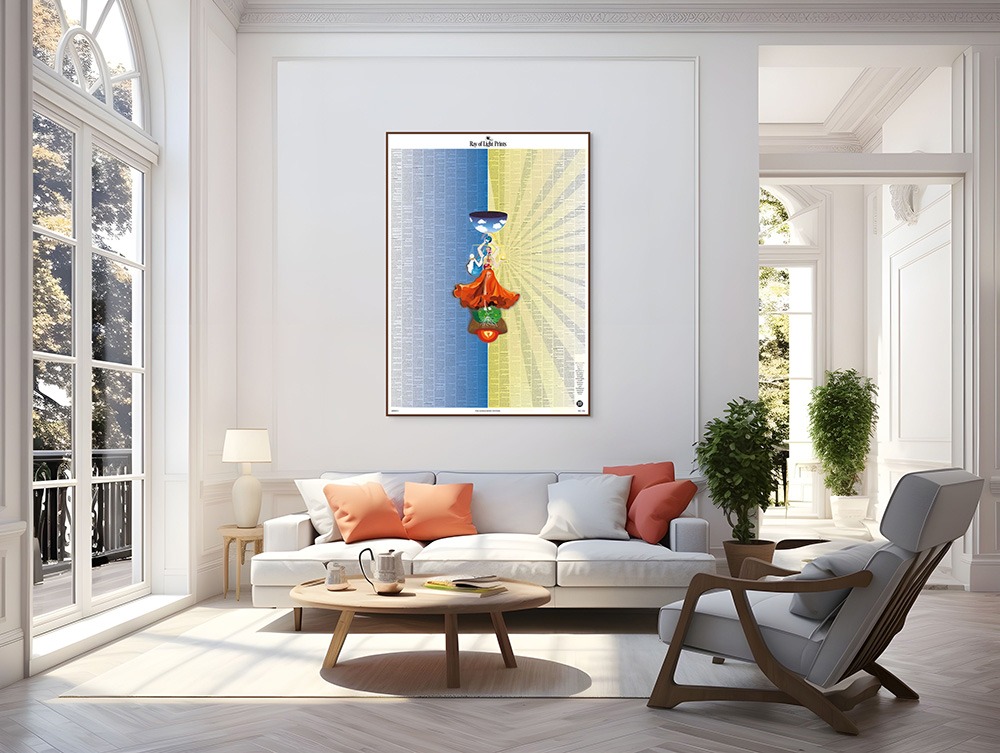
Some art fills a wall. Other art opens something.
It invites questions. It draws people in. It makes guests step closer. It causes someone to pause halfway through a sentence and say, “What is that?” or “I’ve never seen anything like that before.”
But conversation does not only happen with guests. Good art can create an ongoing conversation with the person who lives with it. It can be reflective. Challenging. Comforting. Expansive. It can remind you of what you love, what you value, what you are trying to remember in the middle of ordinary life.
This is especially powerful in the home because our homes are where we repeat ourselves. We repeat our routines, our thoughts, our patterns of attention. Art that introduces beauty, knowledge, perspective, or wonder into that repetition can subtly alter the quality of daily life.
A wall is not just square footage. It is visual real estate. It can hold noise, emptiness, or meaning. The most memorable rooms understand this.
A simple way to choose wall art that actually changes a room
If you are unsure how to choose wall art, these five questions can help:
1. How do I want this room to feel?
Start with the emotional tone, not the colour swatches.
2. Does this piece add meaning, or only fill space?
A room changes more when the art has presence and purpose.
3. Will I still enjoy living with this over time?
Look for depth, not just instant appeal.
4. Is the scale strong enough for the room?
Art should feel intentional, not timid.
5. Does this feel like me, or like something I think I should like?
The best choices create connection, not just approval.
These questions do not turn art into a formula. They simply bring you back to what matters.
The right wall art does more than complete a room.
It deepens it.
It changes the emotional register of the space. It gives the eye somewhere meaningful to rest. It creates atmosphere. It signals identity. It adds not just beauty, but presence. Over time, it can even shape the way a room is remembered.
That is why choosing art is not a small decision. It is one of the clearest ways we decide what kind of environment we want to live inside.
A room can be tidy, tasteful, and well designed, yet still feel like it is missing its centre of gravity. Art often becomes that centre. Not because it shouts the loudest, but because it carries something the room needs. Depth. Calm. Wonder. Character. A point of focus. A point of meaning.
When chosen well, art does not merely decorate a wall.
It gives something back, every time you see it.
And that may be one of the most powerful things we can ask from the objects we bring into our homes.